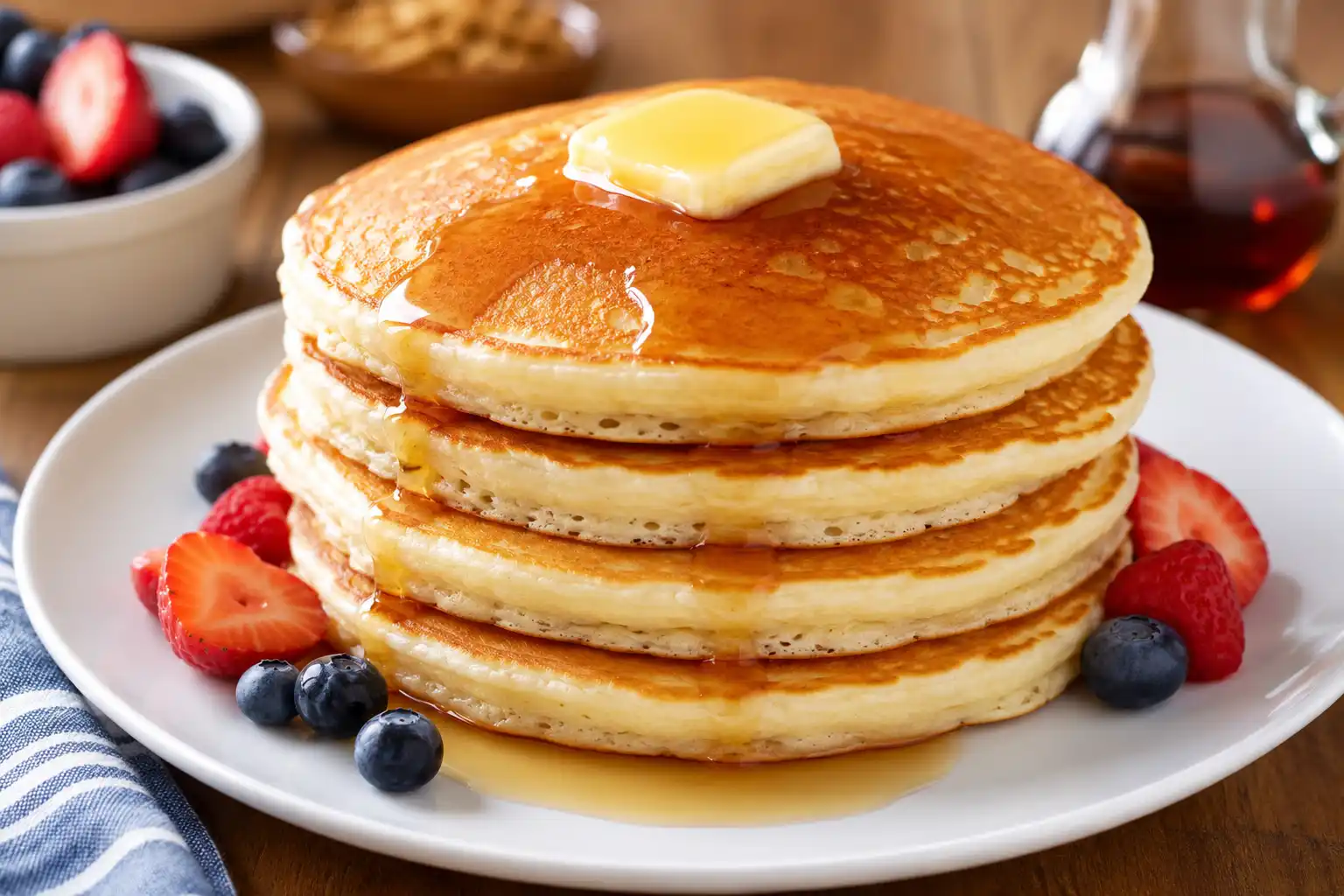
Few breakfast dishes are as comforting as a stack of soft, fluffy buttermilk pancakes. For decades, IHOP has been known for serving pancakes that are light, tender, and packed with rich buttery flavor. Many people visit the restaurant specifically for this signature breakfast item. Fortunately, it is possible to recreate a similar experience at home with simple ingredients and the right cooking techniques.
This homemade version captures the texture and taste that pancake lovers enjoy while allowing complete control over ingredients and portion sizes. Whether preparing a weekend family breakfast, a holiday brunch, or a quick morning treat, these pancakes deliver consistent results. The combination of buttermilk, butter, and carefully mixed batter creates pancakes that are soft on the inside and golden brown on the outside.
The following guide covers ingredients, step-by-step instructions, expert tips, storage methods, serving suggestions, nutritional information, and answers to frequently asked questions.
Why People Love IHOP-Style Buttermilk Pancakes
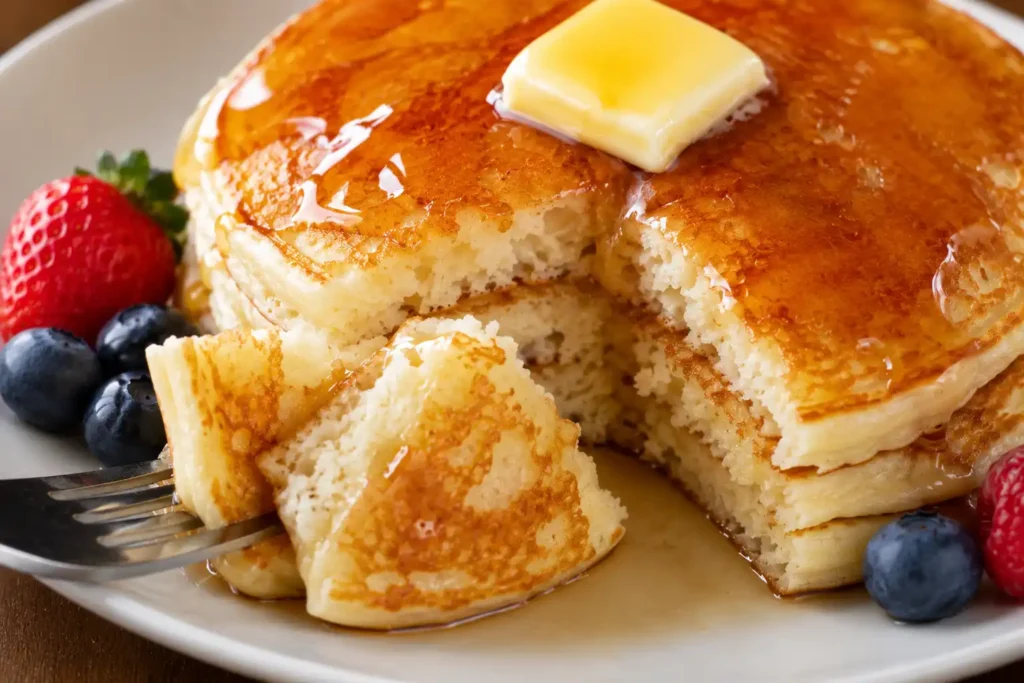
The popularity of these pancakes comes from their unique balance of flavor and texture. Unlike dense or dry pancakes, they remain moist and fluffy while maintaining a slightly crisp exterior.
Some reasons they continue to be a breakfast favorite include:
- Soft and airy texture
- Rich buttery flavor
- Slight tanginess from buttermilk
- Easy customization with toppings
- Family-friendly recipe
- Simple ingredients found in most kitchens
- Perfect for breakfast, brunch, or dessert
Additionally, these pancakes pair well with fruits, syrups, whipped cream, nuts, and even savory breakfast sides.
What Makes Buttermilk Pancakes Different?
Buttermilk plays a major role in creating the signature texture associated with restaurant-quality pancakes.
Unlike regular milk, buttermilk contains natural acidity. When combined with baking soda and baking powder, it creates tiny air bubbles throughout the batter. As a result, the pancakes become lighter and fluffier during cooking.
Benefits of using buttermilk include:
- Improved tenderness
- Enhanced flavor
- Better browning
- Increased moisture
- Softer texture
The slight tanginess also balances the sweetness of syrup and toppings, making each bite more flavorful.
Ingredients Needed
The beauty of this recipe lies in its simplicity. Most ingredients are pantry staples that many households already have available.
Dry Ingredients
- 1 ¼ cups all-purpose flour
- 1 tablespoon sugar
- 1 teaspoon baking powder
- ½ teaspoon baking soda
- ¼ teaspoon salt
Wet Ingredients
- 1 cup buttermilk
- 1 large egg
- 2 tablespoons melted butter
- 1 teaspoon vanilla extract
Optional Additions
- Chocolate chips
- Fresh blueberries
- Banana slices
- Cinnamon
- Chopped pecans
- Mini marshmallows
These optional ingredients can help create unique variations without changing the base recipe.
Kitchen Equipment Required
Before preparing the batter, gathering the proper tools makes the process more efficient.
Recommended equipment includes:
- Large mixing bowl
- Medium bowl
- Measuring cups
- Measuring spoons
- Whisk
- Non-stick skillet
- Griddle
- Silicone spatula
- Cooling rack
Having everything prepared beforehand reduces cooking time and helps achieve consistent results.
Step-by-Step IHOP Buttermilk Pancakes Recipe
Step 1: Mix the Dry Ingredients
In a large mixing bowl, combine:
- Flour
- Sugar
- Baking powder
- Baking soda
- Salt
Whisk thoroughly until all ingredients are evenly distributed.
Step 2: Prepare the Wet Ingredients
In a separate bowl, whisk together:
- Buttermilk
- Egg
- Melted butter
- Vanilla extract
Mix until smooth and fully combined.
Step 3: Combine the Mixtures
Slowly pour the wet ingredients into the dry ingredients.
Stir gently until combined.
A few small lumps are perfectly normal. Overmixing can develop gluten and result in dense pancakes.
Step 4: Rest the Batter
Allow the batter to sit for approximately 5 to 10 minutes.
This resting period allows the leavening agents to activate and helps create a fluffier texture.
Step 5: Heat the Cooking Surface
Preheat a lightly greased griddle or non-stick skillet over medium heat.
The cooking surface should be hot enough that a few drops of water dance across it before evaporating.
Step 6: Cook the Pancakes
Pour approximately ¼ cup of batter onto the hot surface for each pancake.
Cook until bubbles form across the top and the edges begin to set.
Flip carefully and cook the second side until golden brown.
Step 7: Serve Immediately
Transfer cooked pancakes to a plate and serve warm with favorite toppings.
Tips for Achieving Restaurant-Style Results
Several small techniques can dramatically improve the final outcome.
Avoid Overmixing
A slightly lumpy batter produces softer pancakes than a perfectly smooth batter.
Use Fresh Baking Powder
Leavening agents lose effectiveness over time. Fresh ingredients create better rise and texture.
Cook Over Medium Heat
High temperatures often burn the exterior before the center cooks completely.
Let the Batter Rest
Even a short resting period contributes to better fluffiness.
Measure Flour Correctly
Too much flour creates heavy pancakes. Spoon flour into measuring cups instead of scooping directly from the bag.
Common Mistakes to Avoid
Even experienced home cooks occasionally encounter pancake problems.
Some common mistakes include:
Using Cold Ingredients
Room-temperature ingredients blend more evenly and cook more consistently.
Overcrowding the Pan
Leave enough space between pancakes to allow easy flipping.
Flipping Too Early
Wait until bubbles appear and edges become slightly dry before turning.
Pressing Pancakes Down
Avoid pressing pancakes with a spatula. Doing so removes trapped air and reduces fluffiness.
Skipping the Resting Time
This simple step often makes a noticeable difference in texture.
Best Toppings for Buttermilk Pancakes
The right toppings can elevate homemade pancakes from simple to extraordinary.
Popular choices include:
- Maple syrup
- Fresh strawberries
- Blueberries
- Sliced bananas
- Butter
- Whipped cream
- Chocolate chips
- Peanut butter
- Honey
- Toasted nuts
- Caramel sauce
- Fruit compote
Mixing and matching toppings creates endless breakfast possibilities.
Delicious Flavor Variations
The base recipe can easily be customized.
Blueberry Pancakes
Fold fresh blueberries into the batter before cooking.
Chocolate Chip Pancakes
Add semi-sweet chocolate chips for a sweeter breakfast treat.
Banana Pancakes
Mix mashed banana into the batter for natural sweetness.
Cinnamon Pancakes
Add one teaspoon of cinnamon to the dry ingredients.
Nutty Pancakes
Incorporate chopped pecans or walnuts for added crunch.
Each variation maintains the same fluffy texture while offering a unique flavor profile.
Serving Suggestions
A complete breakfast often includes more than pancakes alone.
Consider serving them alongside:
- Scrambled eggs
- Turkey bacon
- Sausage links
- Fresh fruit
- Greek yogurt
- Smoothies
- Orange juice
- Coffee
- Tea
These pairings create a balanced and satisfying meal.
How to Store Leftover Pancakes
Leftover pancakes can be stored for future breakfasts.
Refrigerator Storage
- Cool completely.
- Place in an airtight container.
- Refrigerate for up to 4 days.
Freezer Storage
- Separate pancakes with parchment paper.
- Store in freezer-safe bags.
- Freeze for up to 3 months.
Proper storage helps maintain freshness and texture.
How to Reheat Pancakes
Reheating correctly prevents pancakes from becoming dry.
Microwave
Heat for 20 to 30 seconds per serving.
Toaster
Provides slightly crisp edges and quick reheating.
Oven
Bake at 350°F for approximately 8 minutes.
Air Fryer
Heat for 2 to 3 minutes at 320°F.
These methods restore warmth while preserving softness.
Nutritional Overview
Nutritional values vary depending on toppings and portion size.
Approximate nutrition per pancake:
- Calories: 120–150
- Carbohydrates: 18g
- Protein: 3g
- Fat: 5g
- Sugar: 3g
- Sodium: 180mg
Adding fruit can increase nutritional value, while syrups and sweet toppings contribute additional calories.
Why This Homemade Recipe Works
Several factors contribute to the success of this recipe.
First, the combination of baking soda and buttermilk creates excellent lift. Second, melted butter provides richness without making the batter heavy. Third, allowing the batter to rest ensures better hydration and improved texture.
Furthermore, the ingredient ratios strike a balance between softness and structure. The pancakes remain sturdy enough to hold toppings while still delivering the light, fluffy consistency people expect from restaurant-style pancakes.
Because the recipe uses common household ingredients, it remains accessible to beginners while producing results that satisfy experienced cooks. This combination of simplicity and reliability makes it a practical choice for everyday breakfasts and special occasions alike.
Frequently Asked Questions
Can regular milk replace buttermilk?
Yes, regular milk can be used when buttermilk is unavailable. However, the pancakes may not be quite as fluffy or flavorful. A simple substitute involves adding one tablespoon of lemon juice or white vinegar to one cup of milk and letting it sit for five to ten minutes. This creates a similar acidic reaction that helps produce tender pancakes with a texture closer to the original recipe while maintaining excellent flavor and consistency.
Why are homemade pancakes sometimes dense?
Dense pancakes usually result from overmixing the batter or using too much flour. When the batter is stirred excessively, gluten develops and creates a tougher texture. Measuring flour carefully and mixing only until the ingredients are combined helps maintain softness. Additionally, expired baking powder or baking soda can reduce the rise, leading to heavier pancakes that lack the fluffy texture most people expect from a restaurant-style breakfast.
Can the batter be prepared ahead of time?
The batter can be prepared a few hours ahead and stored in the refrigerator. However, for the best results, it is generally recommended to cook pancakes shortly after mixing because the leavening agents begin working immediately. If stored overnight, some of the air bubbles may disappear, resulting in slightly less fluffy pancakes. Stir gently before cooking and avoid overmixing to maintain the best possible texture.
What is the secret to fluffy pancakes?
The secret lies in using buttermilk, fresh leavening agents, and avoiding overmixing. Resting the batter for several minutes before cooking also helps create a lighter structure. Furthermore, cooking over medium heat ensures even rising without burning the exterior. These simple techniques work together to create the soft, airy texture that makes buttermilk pancakes so enjoyable and similar to those served in popular breakfast restaurants.
Can these pancakes be frozen?
Yes, these pancakes freeze exceptionally well. After cooling completely, place parchment paper between each pancake and store them in a freezer-safe container or bag. They can remain frozen for up to three months. When ready to eat, reheat them in a toaster, oven, microwave, or air fryer. This method preserves texture and flavor, making it easy to enjoy homemade pancakes on busy mornings without starting from scratch.
Which syrup works best with buttermilk pancakes?
Traditional maple syrup remains the most popular choice because its rich sweetness complements the slight tanginess of buttermilk. Nevertheless, many other options work well, including honey, berry syrup, caramel sauce, and fruit compotes. Some people even prefer whipped cream and fresh fruit instead of syrup. Choosing a topping ultimately depends on personal taste preferences and the overall breakfast experience someone wishes to create.
Final Thoughts
A homemade IHOP-style buttermilk pancake recipe offers an easy way to enjoy a restaurant-inspired breakfast without leaving home. Using simple ingredients, proper mixing techniques, and a few expert tips makes it possible to create pancakes that are soft, fluffy, and full of flavor. Whether topped with classic maple syrup, fresh fruit, or creative additions, these pancakes consistently deliver satisfying results. With easy storage and reheating options, they also provide a convenient make-ahead breakfast solution. Once mastered, this recipe can become a reliable favorite for family breakfasts, weekend brunches, and special occasions throughout the year.
For more breakfast inspiration and pancake ideas, visit https://www.ihop.com and explore additional menu favorites.